Ivory Coast's Gbagbo Faces Financial `Asphyxia' as Sanctions Begin to Bite
By - Jan 21, 2011 5:30 AM GMT+0530
Ivory Coast’s incumbent President Laurent Gbagbo is coming under financial attack as European Union sanctions threaten cocoa shipments and the West African central bank moves to cut off his access to funds.
The EU measures ban most trade between the bloc and Ivory Coast, the world’s top cocoa producer and Africa’s third-largest coffee grower.
The “priority is on the economic asphyxia of Gbagbo’s regime,” said Maja Kocijancic, spokeswoman for EU foreign policy chief, Catherine Ashton, in an e-mailed statement on Jan. 19.
Gbagbo, 65, has ruled the country for a decade and refuses to cede power to 69-year-oldAlassane Ouattara, the internationally recognized winner of the Nov. 28 election. The EU’s blockade includes a travel ban on Gbagbo, his wife, and other officials including Paul Yao N’Dre, the president of the Constitutional Council that overturned Ouattara’s win and declared Gbagbo victor.
Ivory Coast shipped 3.57 billion euros ($4.8 billion) of mainly agricultural products to the bloc in 2009 and bought 1.47 billion euros of EU goods such as fuel, machinery and chemicals, according to the European Commission in Brussels.
The bulk of imports from the West African nation to the EU go to Germany, the Netherlands and France, according to the commission. About half of all EU exports to the African country come from France, followed by Belgium, Germany, the Netherlands and Italy, it said.
Cocoa Gains
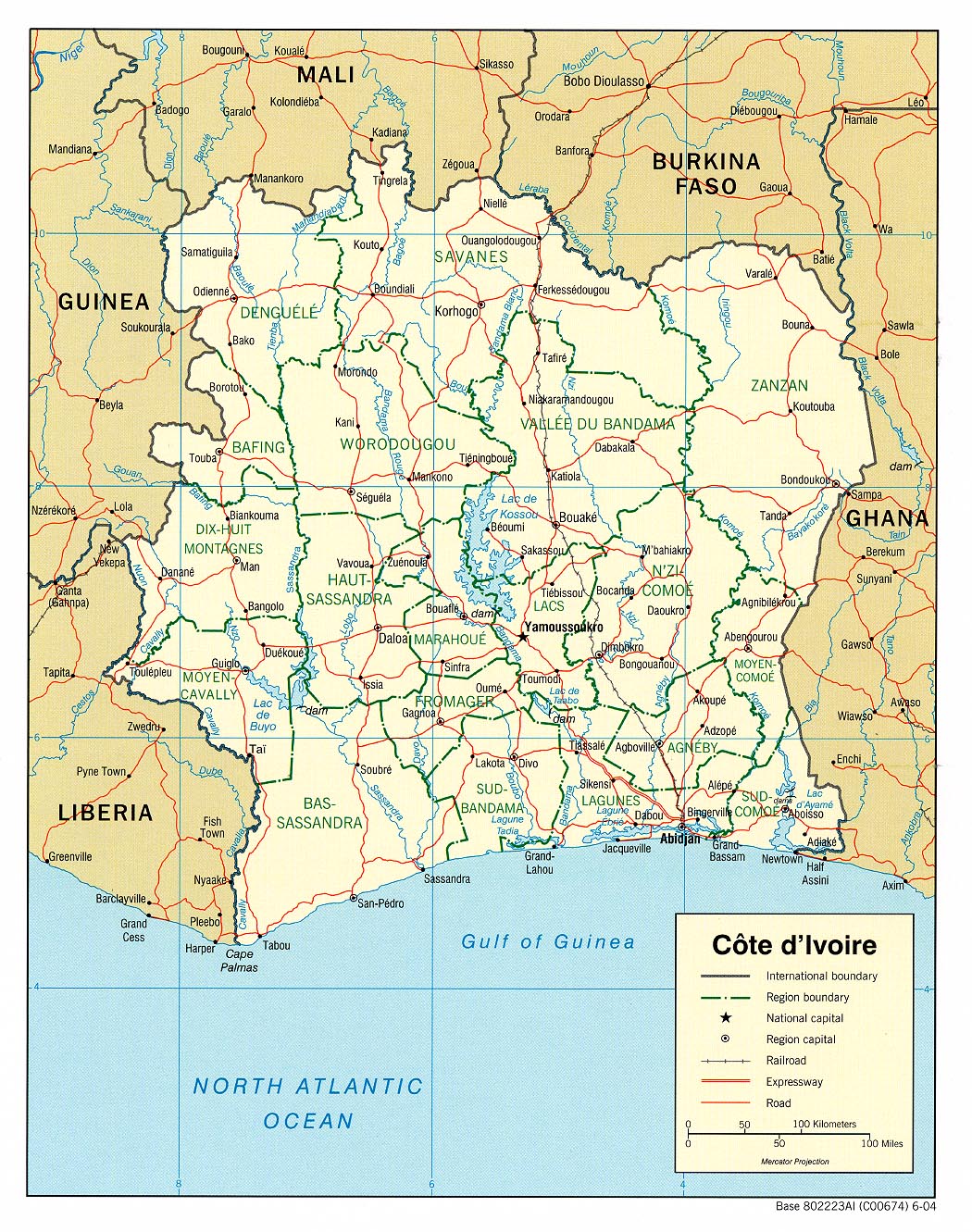
The law says “no funds or economic resources shall be made available, directly or indirectly, to or for the benefit” of any of the people or entities on the list, including the ports in Abidjan and San Pedro. Most of the country’s cocoa beans and coffee are shipped from the two ports, which “are helping to fund Gbagbo’s “illegitimate government,” the EU said.
Cocoa for March delivery rose for the fourth day in five yesterday, adding $88, or 2.8 percent, to $3,188 per metric ton by 6:08 p.m. in London. The price of the beans has risen 16 percent since the November vote.
The sanctions come as leaders of the Economy and Monetary Union of West Africa meet in Bamako, Mali, tomorrow to take further steps to prevent Gbagbo from accessing the country’s accounts at the regional central bank.
Gbagbo will be removed as a signatory at the Central Bank of West African States, Kenyan Prime Minister Raila Odinga, an African Union-appointed mediator, said in an e-mailed statement Jan. 20.
‘Crippling
“Mr. Gbagbo’s removal as a signatory with the bank will begin the crippling of his regime, which has been declared illegitimate,” Odinga said.
Ouattara says Gbagbo has withdrawn about 80 billion CFA francs ($164 million) from the central bank since the institution said on Dec. 24 it would only recognize people approved by Ouattara for transactions. The withdrawals have frustrated Ouattara, who was hoping that Gbagbo would lose the support of the military if he couldn’t pay their wages.
Gbagbo’s government is “withdrawing money on a daily basis” from the central bank account, said Ahoua Don Mello, an adviser to Gbagbo, in an interview Jan. 17.
The eight members of the monetary union, of which the central bank is a part, share a common currency, the CFA franc, which is pegged to the euro. Ivory Coast is the biggest economy in the Ouagadougou, Burkina Faso-based group.
At least 260 people have been killed in violent clashes that followed the election, according to the United Nations, which has a peacekeeping mission in the country. About 68 people are missing.
=====================================================
To contact the reporters on this story: Jennifer M. Freedman in Geneva atjfreedman@bloomberg.net; Olivier Monnier in Abidjan via Accra at ebowers1@bloomberg.net.
To contact the editor responsible for this story: Andrew J. Barden at barden@bloomberg.net; Antony Sguazzin at asguazzin@bloomberg.net.


No comments:
Post a Comment